High cholesterol develops when LDL (“bad”) cholesterol, fats, and other substances build up in artery walls, narrowing blood flow and increasing the risk of heart attack and stroke. The good news is that diet and lifestyle changes can significantly improve cholesterol levels, particularly LDL cholesterol.
In this blog, we’ll break down 10 simple, evidence-based nutrition and lifestyle strategies you can use to support heart health and improve your cholesterol profile.
What causes high cholesterol?
Cholesterol becomes a problem when LDL cholesterol combines with fats and other substances in the blood and forms plaque inside artery walls. Over time, this narrows blood flow and increases the risk of cardiovascular disease, including heart attack and stroke.
The good news? Most cholesterol-related risk is strongly influenced by lifestyle factors especially diet quality, fibre intake, and fat choices.
1. Focus on lowering saturated and trans fats
Saturated fat is one of the strongest dietary drivers of elevated LDL cholesterol.
To support healthier cholesterol levels, reduce:
- Butter and full-fat dairy
- Processed meats (sausages, salami, bacon)
- Pastries, cakes, biscuits
- Fried and fast foods
- Foods containing hydrogenated oils
Instead, prioritise whole foods and unsaturated fats such as extra virgin olive oil and nuts.
2. Eat plenty of fruits and vegetables
Fruits and vegetables are naturally:
- Low in saturated fat
- High in fibre
- Rich in antioxidants and plant compounds
Aim to include a variety at most meals to support heart health and overall cholesterol balance.
3. Choose whole grains most of the time
Majority of your grain choices should be wholegrains.
Include:
- Wholegrain bread
- Brown rice
- Wholegrain pasta
- Oats
Whole grains provide fibre that helps reduce LDL cholesterol over time.
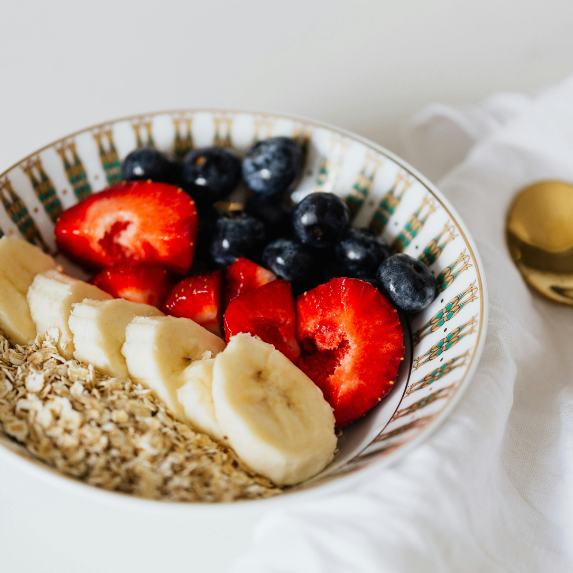
4. Increase soluble fibre daily
Soluble fibre helps lower cholesterol by binding bile acids in the gut and reducing cholesterol reabsorption.
Best sources include:
- Oats (rich in beta-glucan)
- Barley
- Legumes (lentils, chickpeas, beans)
- Fruit and vegetables
Even around 40g of oats daily can contribute meaningfully to cholesterol reduction.
5. Include plant-based proteins more often
Plant proteins are naturally lower in saturated fat and higher in fibre.
Try adding:
- Lentils
- Chickpeas
- Tofu
- Quinoa
- Nuts and seeds
Swapping even a few animal-based meals per week can improve LDL cholesterol over time.
6. Choose lean animal proteins when used
If you include meat:
- Choose skinless poultry
- Select lean cuts (“loin” and “round”)
- Trim visible fat
Limit processed meats such as sausages, salami, and bacon, which are higher in saturated fat.
7. Include fatty fish weekly
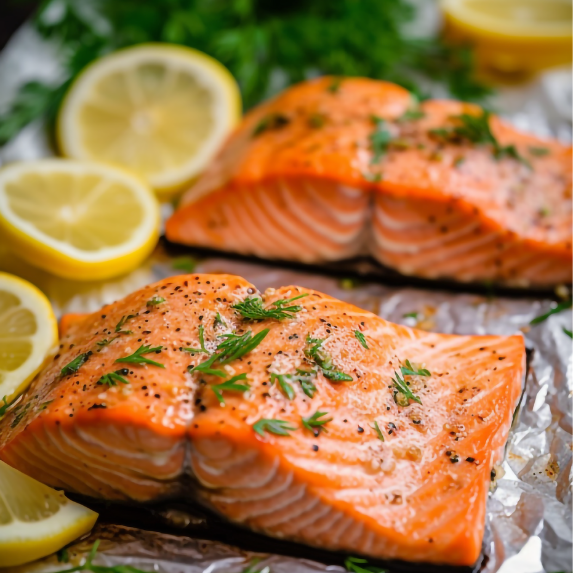
Fatty fish such as salmon, sardines, trout, and tuna provide omega-3 fats that support heart health.
Aim for around 2 servings per week, preferably non-fried.
8. Use healthy oils instead of solid fats
Replace saturated and solid fats with unsaturated oils such as:
- Extra virgin olive oil
- Canola oil
- Sunflower oil
- Safflower oil
These support improved lipid profiles and overall cardiovascular health.
9. Consider plant sterols (if appropriate)
Plant sterols can reduce cholesterol absorption in the gut.
A daily intake of 2–3g per day (from fortified foods or supplements) may help lower LDL cholesterol when combined with a heart-healthy diet.
10. Support lifestyle factors beyond food
Diet is most effective when combined with:
- Regular physical activity
- Healthy body weight
- Not smoking
These lifestyle factors help improve HDL (“good”) cholesterol and reduce overall cardiovascular risk.

Foods to limit for better cholesterol
- Processed meats (sausages, salami)
- Full-fat dairy (butter, cream, cheese, ice cream)
- Deep-fried and fast foods
- Cakes, biscuits, pastries
- Foods with hydrogenated oils or tropical oils (coconut, palm oil)
- High-sugar drinks and sweets
- High-sodium processed foods
Key takeaway
Improving cholesterol is less about “cutting cholesterol from food” and more about:
- Reducing saturated and trans fats
- Increasing soluble fibre
- Eating more whole plant foods
- Using healthy fats consistently
Small, consistent changes can significantly improve heart health over time.
Final thoughts from your Dietitian

You don’t need a perfect diet to improve cholesterol, just a consistent one. Start with one or two changes, build habits over time, and focus on progress, not restriction.
Want personalised support with cholesterol, heart health or nutrition?
As an Accredited Practising Dietitian, I help clients improve cholesterol, reduce cardiovascular risk, and build realistic, sustainable eating habits without restrictive dieting.
👉 Book a consultation here: https://www.dietitiancentralcoast.com.au/book
👉 Learn more about my approach: https://www.dietitiancentralcoast.com.au
👉 Join The Wholesome Bite Newsletter for evidence-based nutrition tips, recipes and education: https://www.dietitiancentralcoast.com.au/newsletter
👉 For more tips, food hacks and recipes follow us on Instagram @thewholesomeeffect
Till next time, Paris.