Learn when you need a pre-training sports nutrition snack, easy high-protein plant-based options, and what to look for when choosing protein powder and creatine.
Introduction
Sports nutrition doesn’t need to be complicated. One of the most common questions I get is: “Do I need to eat before training?”
The answer depends on the session, your energy levels and when you last ate.
Protein and supplements are also common topics, particularly for people following a plant-based diet or looking to build strength and muscle.
Here are some simple things to consider.
Table of Contents
- Do I need to eat before training?
- High-protein plant-based snacks
- What to look for in a protein powder
- What to look for in creatine
- Final thoughts
1. Do I Need to Eat Before Training?
Before automatically reaching for a snack, ask yourself:
What type of session am I doing?
A short, easy session may require less preparation than a longer or high-intensity workout.
Also consider:
- Are you progressing your weights?
- How do you rate your energy?
- When was your last meal?
- How long will you be training?
If it has been several hours since your last meal, you will likely benefit from a carbohydrate-rich top-up before training.
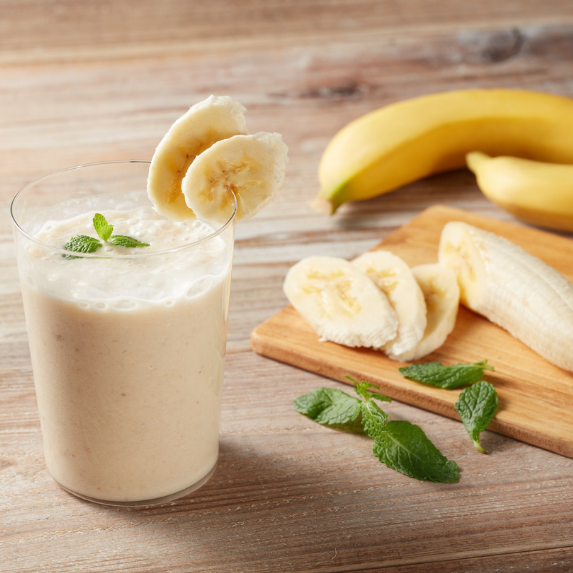
Easy options include a banana, toast with honey or jam, a rice cake, fruit or juice.
The goal isn’t to eat a huge meal immediately before exercise. It’s about giving your body accessible fuel when it needs it.
2. High-Protein Plant-Based Snack Ideas
Getting enough protein on a plant-based diet is absolutely achievable, but it can help to be intentional with your choices.
Some easy high-protein options include:
- Plant-based soy yoghurt.
- Soy protein crisps.
- Dried edamame.
- Dried fava beans.
- Wholemeal high-protein bread.
- Kefir and chia pudding.
- Protein smoothies.
- Hummus with wholegrain crackers.
Try pairing protein + carbohydrate for a more substantial snack, particularly around training.
For example:
Soy yoghurt + fruit
Protein smoothie + banana
Hummus + wholegrain crackers
Protein bread + peanut butter
3. Protein Powders: What Should You Look For?
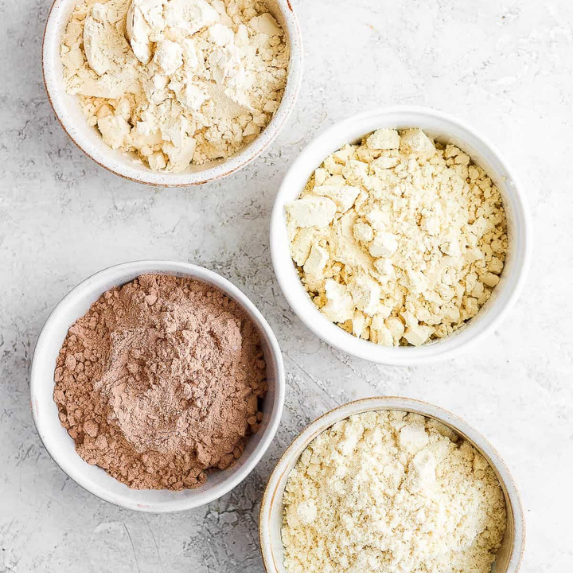
Protein powder can be a convenient way to increase protein intake, particularly when you’re busy or struggling to meet your requirements through food alone.
When choosing one, look for approximately 20–30g of protein per serve.
The type of protein can depend on your dietary preferences and tolerance.
Common options include:
- Whey protein isolate (WPI).
- Whey protein concentrate (WPC).
- Soy protein.
- Pea protein.
- Pea + rice protein blends.
For most people, you don’t need a protein powder with a long list of additional ingredients.
Look for a product that suits your dietary needs, provides an appropriate amount of protein and has minimal unnecessary extras.
4. Creatine: What Should You Look For?
If you’re considering creatine, keep it simple.
The form I generally recommend looking for is creatine monohydrate, as it is the most researched form of creatine.
You don’t need a fancy blend or multiple additional ingredients.
Creatine can be particularly useful for people participating in:
- Strength training.
- Resistance training.
- Sprint or high-intensity exercise.
- Sports requiring repeated high-intensity efforts.
A typical maintenance dose is 3–5g per day, taken consistently.
Creatine doesn’t need to be taken immediately before or after training to be effective. Consistency is more important than timing.
5. Putting It All Together
Good sports nutrition doesn’t need to involve dozens of supplements or perfectly timed meals.
Start with the basics:
Before training: Consider your session, energy levels and when you last ate.
Protein: Include quality protein sources throughout the day.
Snacks: Pair protein with carbohydrate when you need a more substantial option.
Supplements: Choose evidence-based products that actually address your individual needs.
Final Thoughts
You don’t need to overcomplicate your nutrition to support your training.
A simple approach of fuelling appropriately before training, eating enough protein and choosing supplements carefully can provide a strong foundation for performance and recovery.
And remember: the best nutrition strategy is the one that fits your training, lifestyle and dietary preferences.
Need Support With Sports Nutrition?
At The Wholesome Effect PM, I support active individuals with personalised sports nutrition, fuelling strategies, strength and performance nutrition, recovery and supplement guidance.
The Wholesome Athlete Nutrition Pack
The Wholesome Runner Nutrition Pack
📩 Book a consultation to develop a nutrition plan that works for your training and lifestyle.

Join The Wholesome Bite today and get nutrition hacks, insights and recipes direct to your inbox.
More food wisdom, follow us on @thewholesomeeffect