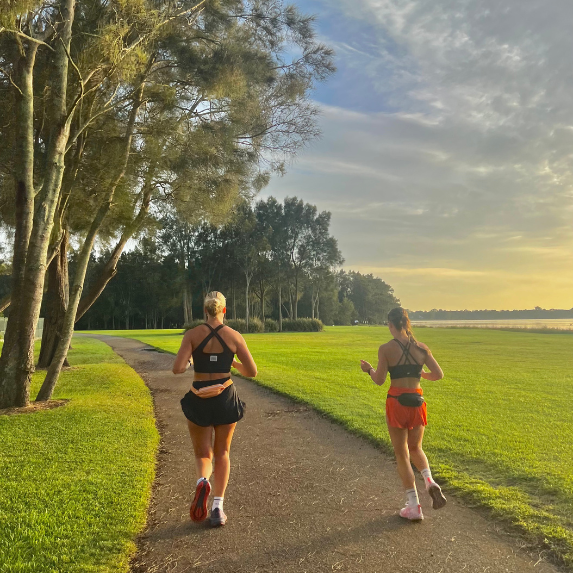
Home / Blog / Stress Fracture Nutrition: How to Fuel Bone Recovery and Prevent Future Injuries

Stress Fracture Nutrition: How to Fuel Bone Recovery and Prevent Future Injuries

Read Time: 6 Minute(s)
Nutrition for stress fractures from a dietitian
Share This Article
Nutrition for stress fractures from a dietitian
Subscribe To Our Newsletter

Recover from a stress fracture with evidence-based nutrition advice. Learn how energy intake, protein, calcium, vitamin D and supplements support bone healing.

Introduction

A stress fracture can be a frustrating setback for anyone who enjoys being active. Whether you are a runner, gym-goer, team sport athlete or simply someone who loves moving your body, an injury that limits your training can be physically and mentally challenging.

While rest and rehabilitation are essential, nutrition plays a major role in supporting bone repair, maintaining muscle mass and reducing the risk of future injuries.

One of the biggest misconceptions I see as a Dietitian is that stress fractures are only about calcium intake. While calcium is important, bone health is much more complex.

Your body needs enough energy, protein, vitamins and minerals to rebuild and recover.

Here are my key nutrition considerations when supporting someone through stress fracture recovery.

Table of Contents

  • Why nutrition matters for stress fracture recovery
  • The first thing I assess: energy availability
  • Key nutrients for bone healing
  • Supplement strategies during rehabilitation
  • Why blood tests matter
  • Returning to training without repeating the cycle
  • When to see a Dietitian

Why Nutrition Matters for Stress Fracture Recovery

Bone is constantly undergoing a process of breakdown and rebuilding.

A stress fracture occurs when the amount of bone breakdown exceeds your body’s ability to repair itself, often due to a combination of factors including:

  • Training load increasing too quickly.
  • Insufficient recovery.
  • Low energy availability.
  • Inadequate nutrient intake.
  • Biomechanical factors.

While reducing training allows the injury to heal, your body still requires significant resources to repair damaged bone.

This means nutrition remains a priority, even when your training volume decreases.
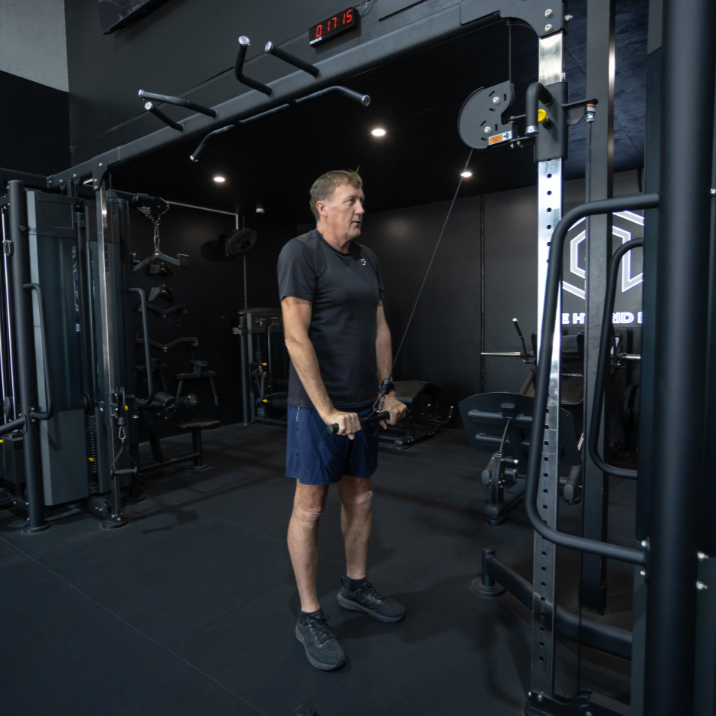
Nutrition for muscle repair, stress fractures and bone health

1. Assess Energy Availability First

The first thing I assess with anyone recovering from a stress fracture is:

Are they eating enough to support their activity and recovery demands?

A common pattern I see is active individuals unintentionally under-fuelling due to:

  • Trying to lose weight.
  • Reducing portion sizes.
  • Skipping meals around busy schedules.
  • Fear of carbohydrates.
  • Continuing a calorie deficit despite high activity levels.

Low energy availability occurs when the body does not have enough energy left after exercise to support normal physiological functions.

This can impact:

  • Bone health.
  • Hormone function.
  • Recovery.
  • Immune function.
  • Training adaptation.

Before adding supplements, the foundation must be ensuring your body has enough fuel to heal.

2. Prioritise Protein Throughout the Day

Protein plays an important role in:

  • Supporting muscle maintenance when training is reduced.
  • Repairing tissues.
  • Providing amino acids involved in bone formation.

A common mistake is consuming enough protein overall but not spreading it across the day.

Protein works best as part of an overall balanced diet, alongside adequate energy and carbohydrates.

3. Don’t Underestimate Carbohydrates

Carbohydrates are often reduced when activity decreases, but they still play an important role during rehabilitation.

Carbohydrates help:

  • Provide energy for recovery.
  • Support rehabilitation sessions.
  • Spare protein for repair.
  • Maintain training capacity as you return to activity.

A balanced plate including carbohydrates, protein, colourful vegetables and healthy fats supports recovery far better than a restrictive approach.

4. Calcium, Vitamin D and Vitamin K2: The Bone Health Trio

When people think about bone health, calcium is usually the first nutrient that comes to mind.

Calcium provides the mineral structure of bones, while vitamin D helps regulate calcium absorption and utilisation.

Vitamin K2 is also involved in bone metabolism and helps direct calcium towards bone tissue.

My approach is always:

Food first, supplements when needed.

Calcium-rich foods include:

  • Milk.
  • Yoghurt.
  • Cheese.
  • Calcium-fortified plant milks.
  • Calcium-set tofu.
  • Canned fish with bones.

5. Blood Tests Can Identify Hidden Barriers

Vitamin D status is best assessed through blood testing, as requirements vary significantly between individuals.

Nutrition for stress fractures and bone health sport dietitian

A stress fracture is often a sign that there may be underlying factors affecting recovery.

Working alongside your GP or sports physician, relevant blood tests may include:

  • Vitamin D.
  • Iron studies.
  • Hormone markers where clinically indicated.
  • Other nutrients based on individual history.

For example, low iron or vitamin D levels may contribute to fatigue, reduced training quality and impaired recovery.

6. Supplement Strategies: Individualised, Not One-Size-Fits-All

Supplements can support recovery, but they should complement, not replace a nutrient-rich diet.

Depending on the individual and rehabilitation phase, supplements I may consider include:

  • Calcium + Vitamin D (+/- Vitamin K2)
  • Protein Supplements
  • Omega-3
  • Creatine
  • Iron
sport fracture nutrition for repair

7. Maintain Nutrition During Reduced Training

One of the biggest mistakes I see is athletes reducing food intake immediately when training decreases.

During stress fracture recovery, your priorities change.

The goal is not simply to maintain performance, it is to support:

✔️ Bone healing
✔️ Muscle preservation
✔️ Rehabilitation progress
✔️ A safe return to training

Returning to Training: Preventing Another Stress Fracture

A successful recovery is not just about getting back to exercise, it is about reducing the risk of repeating the injury.

Key strategies include:

  • Gradually increasing training load.
  • Maintaining adequate energy intake.
  • Continuing strength training.
  • Prioritising recovery.
  • Addressing any previous nutrition gaps.

The goal is to return stronger, not simply return quickly.

Frequently Asked Questions

Should I lose weight while recovering from a stress fracture?

Generally, a calorie deficit is not the priority during bone healing. Restricting energy intake can make recovery slower and increase the risk of losing muscle mass.

Do I need calcium supplements after a stress fracture?

Not necessarily. Many people can meet calcium requirements through food. Supplements should be considered when dietary intake is inadequate or when recommended based on individual assessment.

Can supplements fix a stress fracture?

No supplement can replace adequate fuelling, rehabilitation and appropriate training progression. Supplements are most effective when they address a specific need.

Final Thoughts

Stress fracture recovery requires more than simply taking time off training.

The most effective approach combines:

✅ Enough energy to support healing
✅ Adequate protein for muscle and tissue repair
✅ Carbohydrates to support recovery and rehabilitation
✅ Calcium, vitamin D and other nutrients for bone health
✅ Targeted supplements when clinically appropriate

If you have experienced a stress fracture, it is worth looking beyond the injury itself and understanding why it happened in the first place.

A personalised nutrition assessment can help identify gaps in fuelling, nutrient intake and recovery strategies so you can return to the activities you love with confidence.

Need Support With Injury Recovery Nutrition?

At The Wholesome Effect PM, I support active individuals in-person and online with injury recovery, performance nutrition and building sustainable fuelling strategies.

If you are recovering from a stress fracture or struggling with recurring injuries, a Dietitian can help assess your nutrition, identify gaps and create a personalised plan to support your recovery.

📩 Book a consultation today to start fuelling your recovery.

Get the latest nutrition, sports nutrition, recipes and hacks straight to your inbox. Click here to sign up.

Till next time, Paris.

See More Blogs

The Wholesome
Effect PM
Improve your relationship with food

Ready to Feel Your Best?

If you’re tired of confusing nutrition advice and quick-fix diets that don’t work, it’s time for a different approach. Book a consultation today and discover how evidence-based, realistic nutrition support can help you reach your goals, whether that’s on the sporting field, managing a health condition, or simply feeling more energised in daily life. Your journey to sustainable wellbeing starts here.

Nutrition & Dietetics Services

I’m here to help you cut through the noise and find what works for you.

Whether you’re looking to:

No food rules. No quick fixes.
Just real support for real life

Achieve your weight goals with personalised, evidence-based nutrition strategies. No fad diets -just sustainable habits that fit your lifestyle and help you feel your best.

Build a healthier relationship with food and your body. Compassionate support to help you move beyond diet culture and embrace intuitive, nourishing eating habits.

Manage conditions like diabetes, heart disease, osteoporosis, osteopenia, and PCOS through tailored nutrition plans. Evidence-based strategies to improve your health outcomes and quality of life.

Identify trigger foods and develop practical eating plans that work for you. Navigate intolerances confidently without unnecessary restrictions or confusion.

Identify trigger foods and develop practical eating plans that work for you. Navigate intolerances confidently without unnecessary restrictions or confusion.

Weight Loss/Weight Gain

Achieve your weight goals with personalised, evidence-based nutrition strategies. No fad diets -just sustainable habits that fit your lifestyle and help you feel your best.

Body Image

Build a healthier relationship with food and your body. Compassionate support to help you move beyond diet culture and embrace intuitive, nourishing eating habits.

Chronic Disease

Manage conditions like diabetes, heart disease, and PCOS through tailored nutrition plans. Evidence-based strategies to improve your health outcomes and quality of life.

Food Intolerances

Identify trigger foods and develop practical eating plans that work for you. Navigate intolerances confidently without unnecessary restrictions or confusion.

Low-energy & RED-S

Specialised support for athletes experiencing low energy availability or Relative Energy Deficiency in Sport. Restore energy balance and optimise performance safely.

Fuel your athletic potential with sport-specific nutrition strategies. Whether you’re training for competition or personal bests, eat smart to perform at your peak.

Thrive on a vegetarian or vegan diet with expert guidance. Ensure you’re meeting all nutritional needs while enjoying diverse, delicious plant-based meals.

Expert dietary management for metabolic conditions. Personalised nutrition therapy to help regulate metabolism and support your overall health and wellbeing.

Identify and address vitamin and mineral deficiencies through targeted nutrition strategies. Feel energised and healthy with the right nutrients your body needs.

Find relief from bloating, IBS, and gut issues with evidence-based dietary approaches. Improve your digestive comfort and overall gut health through personalised support.

Performance Goals

Fuel your athletic potential with sport-specific nutrition strategies. Whether you’re training for competition or personal bests, eat smart to perform at your peak.

Plant-based Diets

Thrive on a vegetarian or vegan diet with expert guidance. Ensure you’re meeting all nutritional needs while enjoying diverse, delicious plant-based meals.

Metabolic Disorders

Expert dietary management for metabolic conditions. Personalised nutrition therapy to help regulate metabolism and support your overall health and wellbeing.

Nutritional Deficiencies

Identify and address vitamin and mineral deficiencies through targeted nutrition strategies. Feel energised and healthy with the right nutrients your body needs.

Digestive Health

Find relief from bloating, IBS, and gut issues with evidence-based dietary approaches. Improve your digestive comfort and overall gut health through personalised support.

Start Your Nutrition Journey Today!

Have questions about how nutrition support can help you reach your goals? Paris is here to help. Reach out today for personalised, evidence-based nutrition advice that actually fits into real life.

FAQs

A dietitian is a university-qualified health professional who helps you use food to support your health, performance, and wellbeing. We provide evidence-based, personalised nutrition advice to manage medical conditions, improve energy, support weight goals, and build sustainable eating habits — without fad diets or restriction.

Yes, telehealth appointments are available, offering flexible dietetic support from the comfort of your home.

You can book via the Book Now option which will take you to our booking site. Unsure? Book a free 15 minute discovery call via the booking link.

Initial appointments are 60mins in duration & cost $185.00
Review appointments are 45mins in duration & cost $100
Review appointments with a meal plan are 45mins in duration & cost $100

Your first appointment is a thorough, personalised consultation. We’ll discuss your goals, medical history, lifestyle, eating habits, and challenges. From this, I’ll provide practical strategies, guidance, or a meal plan/carb load plan if needed all tailored to you.

No referral is needed to see a dietitian privately.
A GP referral is only required if you’d like to access Medicare rebates through a Chronic Disease Management (CDM/EPC) plan.

I support a wide range of conditions including digestive issues (IBS, bloating), hormonal health, cardiovascular health, diabetes, nutritional deficiencies, food intolerances, bone health, fatigue, and weight concerns.

Yes. Many private health funds provide rebates for dietitian appointments under extras cover. The rebate amount depends on your individual policy.

Contact your private health fund to see if you are eligible for Dietetic support rebate and the number of sessions you are entitled to.  (Not to be used in conjunction with Medicare).

Initial Consult Code: 500
Review Code: 600

Yes, you can access Medicare rebates if you have a GP referral under a Chronic Disease Management (CDM/EPC) plan. Rebates cover part of the cost for eligible dietitian sessions.

To be eligible for a Medicare rebate, speak to your doctor about referring you on a care plan that includes Dietetic support and how many sessions you are entitled to. This means that you will receive a portion of the total fee back from Medicare.

Yes. If your GP provides a Chronic Disease Management (CDM/EPC) plan, you can claim Medicare rebates for up to 5 dietitian sessions per year.

If you have a Chronic Disease Management Plan, speak to your doctor regarding how many Dietetic sessions you are eligible for.

I provide dietetic support for NDIS participants under Capacity Building – Improved Daily Living, offering practical, person-centred nutrition care. Sessions are available in person or via telehealth, with a flexible, realistic approach tailored to individual needs and supports.

I work with NDIS participants who are self-managed or plan-managed, offering tailored nutritional support to meet individual goals. Please check with the NDIS or your Plan Manager to confirm you have Dietetic support in your NDIS package.

Plan Managed

When making your appointment, please notify me of your NDIS Plan Managers details. Invoices will be sent directly to your Plan Manager

Self- Managed

Invoice to be paid up front by the participant. The participant will then claim the invoice back from the NDIS.

Friendly Central Coast Dietitian Paris Mooney Portrait - natural, friendly description showcasing The Wholesome Effect PM’s supportive dietitian approach on the Central Coast.

Contact Details

Reach out today for personalised, evidence-based nutrition advice that actually fits into real life.

Phone

0468 791 153

Contact Us

Trading Hours
  • Tuesday 8:00 am - 6:00 pm
  • Thursday 8:00 am - 6:00 pm
  • Friday 8:00 am - 6:00 pm
Scroll to Top

Subscribe to our newsletter

The Wholesome Bite