Home / Blog / Run Fest Race Week Nutrition: What to Eat Before Your Half or Full Marathon

Run Fest Race Week Nutrition: What to Eat Before Your Half or Full Marathon

Read Time: 5 Minute(s)
runfest race week nutrition sports dietitian paris mooney
Share This Article
runfest race week nutrition sports dietitian paris mooney
Subscribe To Our Newsletter

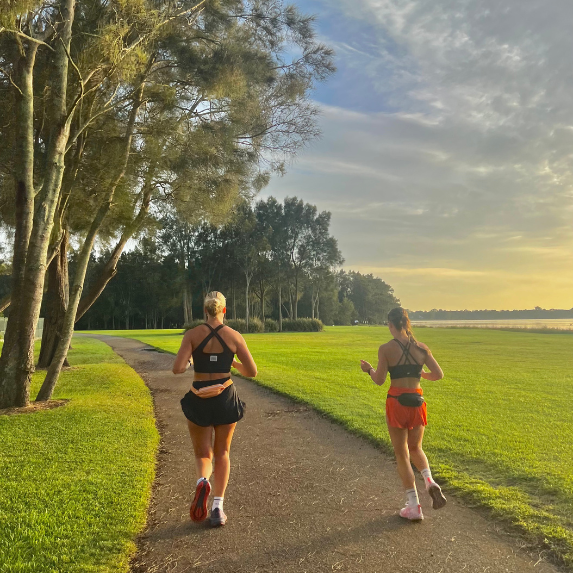
Race week is nearly here!

If you’re taking on the Central Coast Half or Full Marathon next weekend, now is the time to start thinking about your nutrition.

The good news? You don’t need to completely change the way you eat. Race-week nutrition is about making a few strategic adjustments to support your energy stores, recovery and race-day performance.

Your goal is to arrive at the start line well-fuelled, hydrated and confident in your plan, without trying anything brand new at the last minute.

My favourite and BEST tip: add liquid carbs onto every meal (an easy way to increase carbs with less volume)

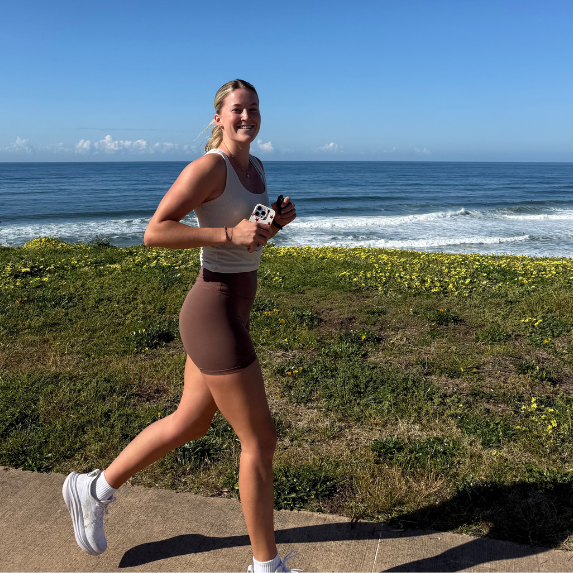
Here are the key things to focus on this week.
runfest race nutrition paris mooney sports dietitian

1. Prioritise carbohydrates

Carbohydrates are your body’s preferred fuel source during moderate- to high-intensity exercise, making them particularly important in the lead-up to a half or full marathon.

During race week, make sure carbohydrate-rich foods are regularly included across your meals and snacks.

Think:

  • Bread and wraps
  • Rice
  • Pasta
  • Potatoes
  • Oats and cereal
  • Fruit
  • Crackers
  • Rice cakes
  • Sports drinks 
  • Juice 
runfest nutrition race week

2. Don’t undereat

One of the biggest mistakes runners can make during race week is accidentally eating less because training volume has reduced.

While you may be doing less exercise, your body is still recovering from your training load and preparing for race day.

This is not the week to diet or dramatically cut your food intake.

Continue having regular meals and snacks, and make sure you’re eating enough to support recovery and replenish your energy stores.

Think fuel, not restriction.

3. Keep foods familiar

Race week is not the time to experiment with a completely new diet, supplement or meal.

Stick with foods you already know you tolerate well.

This is particularly important if you’re someone who experiences gastrointestinal symptoms when running.

If you know that a certain breakfast, snack or meal works well for you, keep it in the rotation.

The same goes for race-day fuelling. Ideally, your gels, chews, sports drink and breakfast have already been practised during training.

4. Have your race-day breakfast planned

Don’t leave your breakfast until race morning!

Work out what you’re going to eat, when you’re going to eat it and how much you need based on what you have practised in training.

A good pre-race breakfast will generally be:

Carbohydrate-rich + familiar + relatively low in fibre and fat

Some options could include:

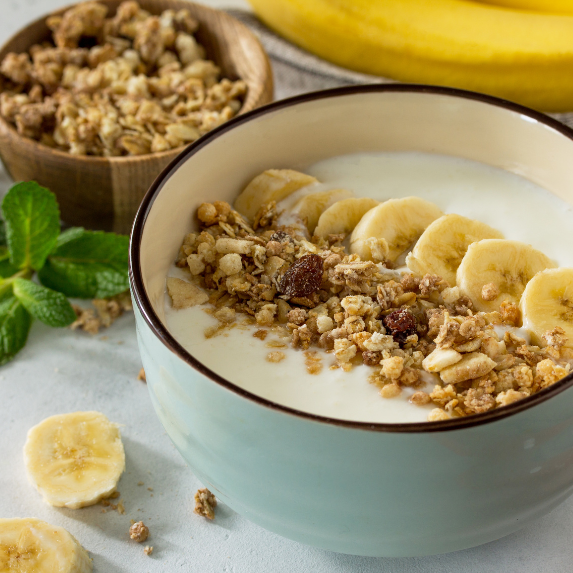
  • Bagel with banana and honey
  • Low fibre cereal with milk and banana
  • Pikelets with banana and maple syrup
  • Crumpets with jam or honey
  • A bagel with jam and juice

The exact option and timing will depend on the individual, your start time and what you’ve practised previously.

Your race morning is not the time to trial a new breakfast!

fuelling for a marathon wholesome effect pm

5. Have a fuelling plan

If you’re running a half or full marathon, don’t rely on hunger or thirst alone to decide when you’ll fuel.

Have a plan before you arrive at the start line.

Depending on the duration and intensity of your race, this might include gels, chews, sports drink or other carbohydrate sources.

Most importantly, practise your race fuelling during training.

6. Stay hydrated

Hydration starts before race morning.

Aim to drink consistently throughout the week rather than trying to drink huge amounts of water the night before.

Your hydration needs will depend on factors such as:

  • Sweat rate
  • Weather conditions
  • Body size
  • Running duration
  • Exercise intensity

For longer or sweatier sessions, sodium and electrolytes may also be useful.

And remember: more water isn’t always better. Excessive fluid intake can also be problematic, so avoid trying to “catch up” by drinking litres of water before bed or on race morning.

Sport Dietitian recommendations fueling for half and full marathon

You can’t cram your nutrition the night before

This is one of the biggest things I want runners to remember.

You can’t undo a week of under-fuelling with one giant pasta dinner.

Your body benefits from consistent carbohydrate and energy intake across the days leading into your race.

Think of race-week nutrition as preparation rather than a last-minute task.

Your race-week checklist

Before you line up at RunFest, ask yourself:

  • Am I eating enough?
  • Am I including carbohydrates regularly?
  • Am I sticking with familiar foods?
  • Have I planned my race-day breakfast?
  • Have I practised my fuelling strategy?
  • Am I staying hydrated?
  • Do I know what I’m doing on race morning?

If you’ve ticked these off, you’re already in a much better position to head into race day feeling prepared.

Ready for RunFest?

Whether you’re taking on your first half marathon, chasing a PB or tackling the full marathon, your nutrition can play an important role in how you feel and perform on race day.

You need a fuelled, familiar and well-practised plan that works for you.

Need help with your training nutrition, race-day fuelling or building balanced meals around your running?

Book an appointment with Paris, APD at The Wholesome Effect PM.

The Wholesome Bite Newsletter Nutrition advice, hacks, snacks sign up the wholesome effect pm

See More Blogs

The Wholesome
Effect PM
Improve your relationship with food

Ready to Feel Your Best?

If you’re tired of confusing nutrition advice and quick-fix diets that don’t work, it’s time for a different approach. Book a consultation today and discover how evidence-based, realistic nutrition support can help you reach your goals, whether that’s on the sporting field, managing a health condition, or simply feeling more energised in daily life. Your journey to sustainable wellbeing starts here.

Nutrition & Dietetics Services

I’m here to help you cut through the noise and find what works for you.

Whether you’re looking to:

No food rules. No quick fixes.
Just real support for real life

Achieve your weight goals with personalised, evidence-based nutrition strategies. No fad diets -just sustainable habits that fit your lifestyle and help you feel your best.

Build a healthier relationship with food and your body. Compassionate support to help you move beyond diet culture and embrace intuitive, nourishing eating habits.

Manage conditions like diabetes, heart disease, osteoporosis, osteopenia, and PCOS through tailored nutrition plans. Evidence-based strategies to improve your health outcomes and quality of life.

Identify trigger foods and develop practical eating plans that work for you. Navigate intolerances confidently without unnecessary restrictions or confusion.

Identify trigger foods and develop practical eating plans that work for you. Navigate intolerances confidently without unnecessary restrictions or confusion.

Weight Loss/Weight Gain

Achieve your weight goals with personalised, evidence-based nutrition strategies. No fad diets -just sustainable habits that fit your lifestyle and help you feel your best.

Body Image

Build a healthier relationship with food and your body. Compassionate support to help you move beyond diet culture and embrace intuitive, nourishing eating habits.

Chronic Disease

Manage conditions like diabetes, heart disease, and PCOS through tailored nutrition plans. Evidence-based strategies to improve your health outcomes and quality of life.

Food Intolerances

Identify trigger foods and develop practical eating plans that work for you. Navigate intolerances confidently without unnecessary restrictions or confusion.

Low-energy & RED-S

Specialised support for athletes experiencing low energy availability or Relative Energy Deficiency in Sport. Restore energy balance and optimise performance safely.

Fuel your athletic potential with sport-specific nutrition strategies. Whether you’re training for competition or personal bests, eat smart to perform at your peak.

Thrive on a vegetarian or vegan diet with expert guidance. Ensure you’re meeting all nutritional needs while enjoying diverse, delicious plant-based meals.

Expert dietary management for metabolic conditions. Personalised nutrition therapy to help regulate metabolism and support your overall health and wellbeing.

Identify and address vitamin and mineral deficiencies through targeted nutrition strategies. Feel energised and healthy with the right nutrients your body needs.

Find relief from bloating, IBS, and gut issues with evidence-based dietary approaches. Improve your digestive comfort and overall gut health through personalised support.

Performance Goals

Fuel your athletic potential with sport-specific nutrition strategies. Whether you’re training for competition or personal bests, eat smart to perform at your peak.

Plant-based Diets

Thrive on a vegetarian or vegan diet with expert guidance. Ensure you’re meeting all nutritional needs while enjoying diverse, delicious plant-based meals.

Metabolic Disorders

Expert dietary management for metabolic conditions. Personalised nutrition therapy to help regulate metabolism and support your overall health and wellbeing.

Nutritional Deficiencies

Identify and address vitamin and mineral deficiencies through targeted nutrition strategies. Feel energised and healthy with the right nutrients your body needs.

Digestive Health

Find relief from bloating, IBS, and gut issues with evidence-based dietary approaches. Improve your digestive comfort and overall gut health through personalised support.

Start Your Nutrition Journey Today!

Have questions about how nutrition support can help you reach your goals? Paris is here to help. Reach out today for personalised, evidence-based nutrition advice that actually fits into real life.

FAQs

A dietitian is a university-qualified health professional who helps you use food to support your health, performance, and wellbeing. We provide evidence-based, personalised nutrition advice to manage medical conditions, improve energy, support weight goals, and build sustainable eating habits — without fad diets or restriction.

Yes, telehealth appointments are available, offering flexible dietetic support from the comfort of your home.

You can book via the Book Now option which will take you to our booking site. Unsure? Book a free 15 minute discovery call via the booking link.

Initial appointments are 60mins in duration & cost $185.00
Review appointments are 45mins in duration & cost $100
Review appointments with a meal plan are 45mins in duration & cost $100

Your first appointment is a thorough, personalised consultation. We’ll discuss your goals, medical history, lifestyle, eating habits, and challenges. From this, I’ll provide practical strategies, guidance, or a meal plan/carb load plan if needed all tailored to you.

No referral is needed to see a dietitian privately.
A GP referral is only required if you’d like to access Medicare rebates through a Chronic Disease Management (CDM/EPC) plan.

I support a wide range of conditions including digestive issues (IBS, bloating), hormonal health, cardiovascular health, diabetes, nutritional deficiencies, food intolerances, bone health, fatigue, and weight concerns.

Yes. Many private health funds provide rebates for dietitian appointments under extras cover. The rebate amount depends on your individual policy.

Contact your private health fund to see if you are eligible for Dietetic support rebate and the number of sessions you are entitled to.  (Not to be used in conjunction with Medicare).

Initial Consult Code: 500
Review Code: 600

Yes, you can access Medicare rebates if you have a GP referral under a Chronic Disease Management (CDM/EPC) plan. Rebates cover part of the cost for eligible dietitian sessions.

To be eligible for a Medicare rebate, speak to your doctor about referring you on a care plan that includes Dietetic support and how many sessions you are entitled to. This means that you will receive a portion of the total fee back from Medicare.

Yes. If your GP provides a Chronic Disease Management (CDM/EPC) plan, you can claim Medicare rebates for up to 5 dietitian sessions per year.

If you have a Chronic Disease Management Plan, speak to your doctor regarding how many Dietetic sessions you are eligible for.

I provide dietetic support for NDIS participants under Capacity Building – Improved Daily Living, offering practical, person-centred nutrition care. Sessions are available in person or via telehealth, with a flexible, realistic approach tailored to individual needs and supports.

I work with NDIS participants who are self-managed or plan-managed, offering tailored nutritional support to meet individual goals. Please check with the NDIS or your Plan Manager to confirm you have Dietetic support in your NDIS package.

Plan Managed

When making your appointment, please notify me of your NDIS Plan Managers details. Invoices will be sent directly to your Plan Manager

Self- Managed

Invoice to be paid up front by the participant. The participant will then claim the invoice back from the NDIS.

Friendly Central Coast Dietitian Paris Mooney Portrait - natural, friendly description showcasing The Wholesome Effect PM’s supportive dietitian approach on the Central Coast.

Contact Details

Reach out today for personalised, evidence-based nutrition advice that actually fits into real life.

Phone

0468 791 153

Contact Us

Trading Hours
  • Tuesday 8:00 am - 6:00 pm
  • Thursday 8:00 am - 6:00 pm
  • Friday 8:00 am - 6:00 pm
Scroll to Top

Subscribe to our newsletter

The Wholesome Bite