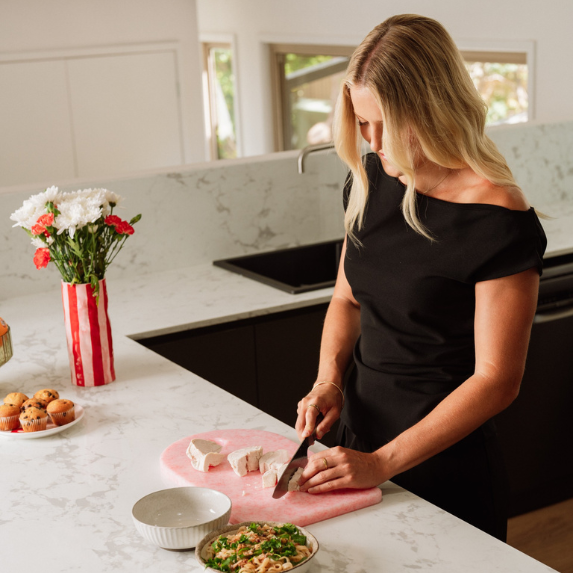
Discover how Paris Mooney became an Accredited Practising Dietitian, her journey through sport, university, and building The Wholesome Effect PM.
Introduction
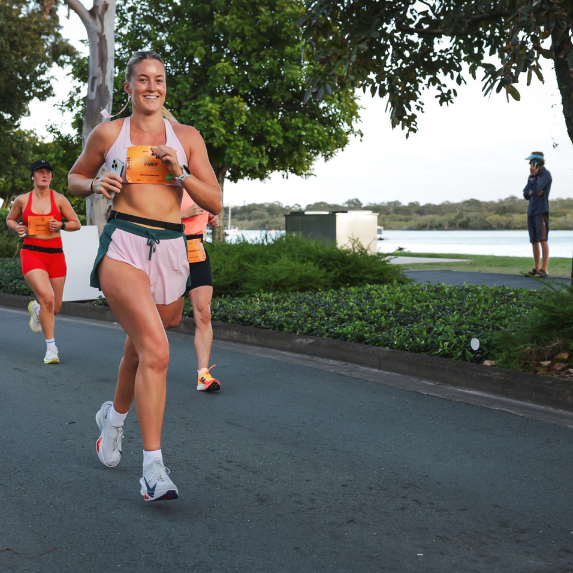
For as long as I can remember, food, movement, and sport have always been a huge part of my life.
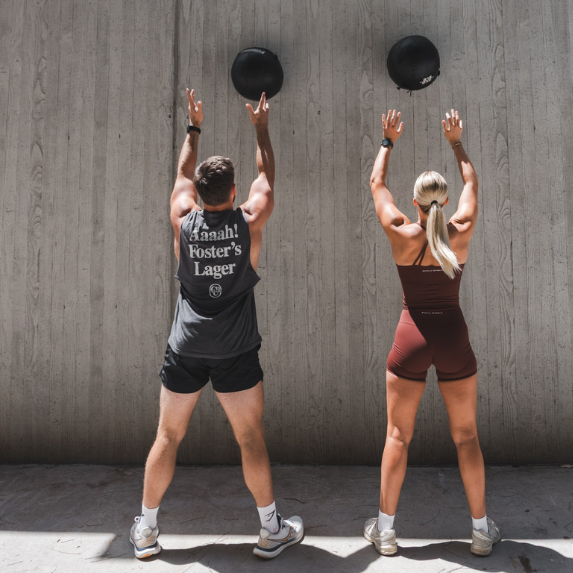
Growing up in a very active family with brothers constantly playing sport, movement and nutritious food were never viewed as punishment or something purely focused on appearance. Instead, I became fascinated by how food could help us feel, recover, perform, and heal.
That curiosity eventually led me to becoming an Accredited Practising Dietitian (APD) and founding The Wholesome Effect PM.
With this year marking 50 years of Dietitians Australia and the 2026 theme “Celebrating our collective impact,” I wanted to share a more personal side of my journey and what becoming a dietitian has truly meant to me 🤍
Table of Contents
- Where My Interest in Nutrition Began
- Why I Chose to Become a Dietitian
- Studying Nutrition and Dietetics
- What Surprised Me Most About Becoming an APD
- Why Evidence-Based Nutrition Matters
- Creating The Wholesome Effect PM
- What I Hope Clients Leave With
- Final Thoughts
Where My Interest in Nutrition Began
I was first interested in nutrition from a very young age.

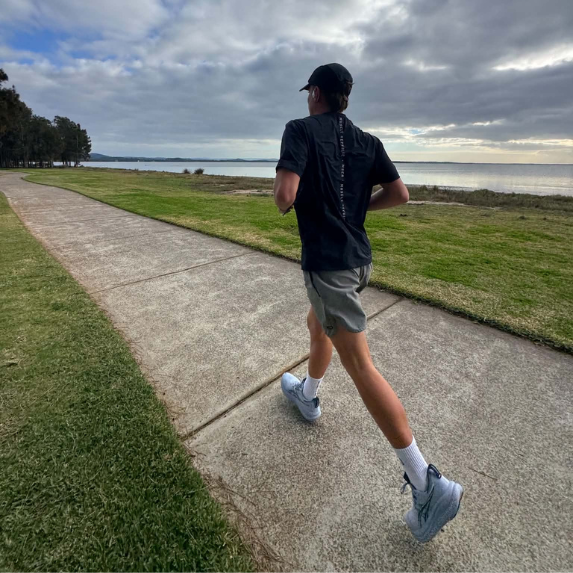
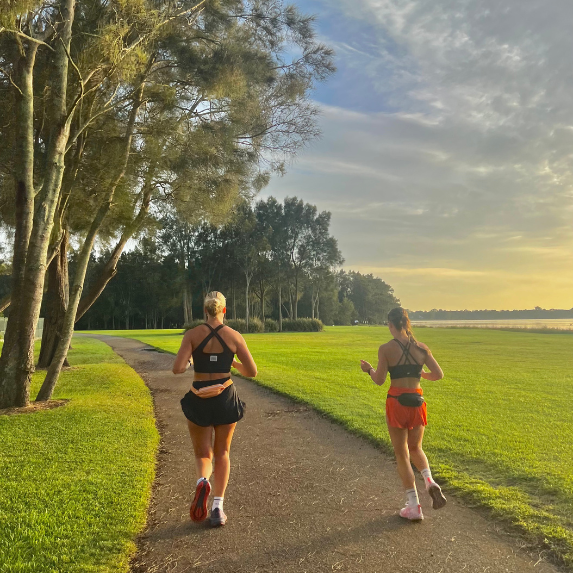
I grew up playing a lot of sport and was always surrounded by movement, whether it was training, competing, recovering, or simply being active outdoors with my family. Because of this environment, I became really curious about the role nutrition played in performance and recovery.
I wanted to know:
- How could nutrition improve sporting performance?
- How could food support injury recovery?
- How could fueling properly help the body adapt and feel better?
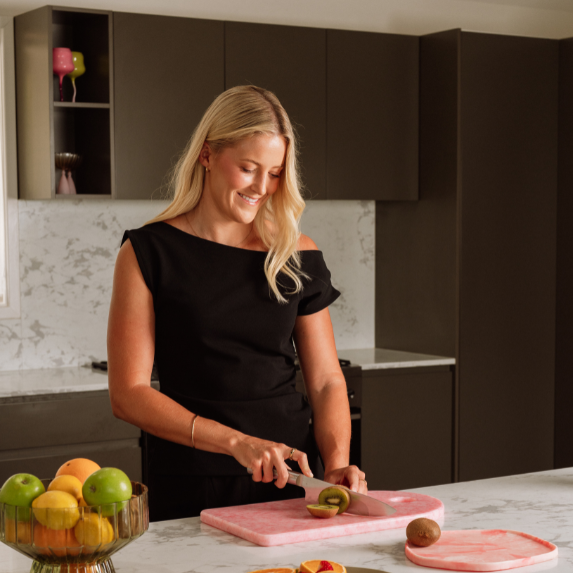
At the same time, I also loved cooking as a child and teenager. Creating meals, experimenting with recipes, and learning how food could impact how we feel genuinely excited me. Eventually, I realised I wanted to turn that passion into a career.
Why I Chose to Become a Dietitian
I always knew I wanted to work in health in some capacity, but becoming a dietitian felt like the perfect combination of science, people, food, and performance.
At the time, social media wasn’t what it is now, so I honestly didn’t fully understand how many different avenues dietitians could work in. Now, one of my favourite things about being a dietitian is how diverse the profession is.
Dietitians can work across:
- Sports nutrition
- Gut health
- Chronic disease management
- Eating disorders
- Mental health
- Women’s health
- Community health
- Research
- Private practice
- Hospitals
- Food industry and media
- And more!
Studying Nutrition and Dietetics
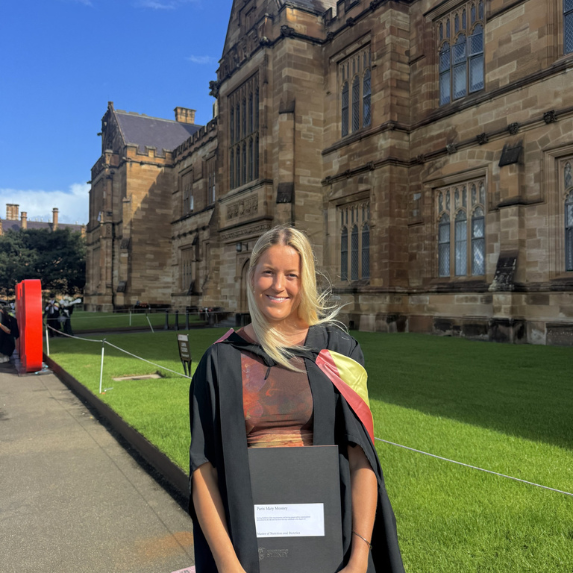
I completed a Bachelor of Science majoring in Nutrition and Food Science before going on to complete my Master of Nutrition and Dietetics both at The University of Sydney.
Like many students entering healthcare, one of the biggest challenges during university was confidence.
I think there’s a misconception that healthcare professionals graduate feeling completely ready and confident immediately, but in reality, confidence develops through experience, mentorship, learning, and time.
I was incredibly fortunate to have:
- A supportive family
- Amazing friends throughout university
- Opportunities to learn from experienced practitioners
- Placements that challenged and shaped my thinking
There were definitely moments of self-doubt during the process, but those experiences ultimately helped me grow both professionally and personally.
What Surprised Me Most About Becoming an APD
One thing that surprised me most about becoming an Accredited Practising Dietitian was how often nutrition support has very little to do with changing someone’s appearance.
So much of the work we do is helping people:
- Feel more confident around food
- Improve their relationship with eating
- Reduce stress and confusion
- Improve energy and performance
- Support medical conditions
- Build sustainable habits
- Feel calmer in their own bodies
I truly think feeling peaceful around food is one of the most underrated aspects of health.
When food no longer feels controlling, overwhelming, or guilt-inducing, it can completely change someone’s day-to-day wellbeing and quality of life.
Why Evidence-Based Nutrition Matters
One of the reasons I’m so passionate about being an APD is because there is so much misinformation online.
Nutrition has become incredibly noisy, especially for younger adults and teenagers who are still learning how to navigate information critically. Social media often promotes extremes, fear-based messaging, and unrealistic expectations around food and body image.
As dietitians, our role is to provide evidence-based, individualised support that actually fits real life.
Nutrition should not feel:
- Confusing
- Punitive
- All-or-nothing
- Overwhelming
Instead, it should help people feel:
- Nourished
- Energised
- Supported
- Confident in their choices
Creating The Wholesome Effect PM
The Wholesome Effect PM was created from the belief that health is about far more than one single aspect of life.
To me, “wholesome” means looking at the bigger picture:
- Physical health
- Mental wellbeing
- Emotional health
- Performance
- Lifestyle
- Relationships with food
- Sustainability
Health is not created through perfection, strict food rules, or fear around eating.
It’s built through consistent habits, support, education, and learning what works for your individual life.
At The Wholesome Effect PM, my goal is to help people move away from restrictive dieting and toward a more realistic, balanced, and enjoyable approach to nutrition.
No fads. No extremes. No one-size-fits-all approaches.
What I Hope Clients Leave With
More than anything, I hope clients leave appointments feeling empowered and more confident in themselves.
A lot of nutrition support is not about completely overhauling someone’s life overnight. Often, it’s about:
- Building on habits already in place
- Improving consistency
- Strengthening confidence
- Providing clarity
- Removing guilt and confusion
- Supporting people over time
I want people to feel like nutrition works with their life, not against it.
Because when food stops feeling stressful, it creates space for people to focus on living, training, connecting, and enjoying life again.
Final Thoughts
Becoming an Accredited Practising Dietitian has been one of the most rewarding journeys of my life.
From growing up playing sport and experimenting with recipes in the kitchen, to studying nutrition science, completing placements, publishing research, and now supporting clients through The Wholesome Effect PM, this career has reinforced just how powerful compassionate, evidence-based nutrition support can be.
This Dietitians Week, I’m incredibly grateful to be part of a profession that helps people improve not only their health, but also their confidence, relationship with food, and quality of life.
And most importantly, helping people realise that nutrition does not need to feel confusing or overwhelming 🤍
If you’re looking for personalised, evidence-based nutrition support that fits your real life, I’d love to support you.
✨ In-person (Central Coast) & online consultations available
📩 Message any questions
🔗 The Wholesome Effect PM at Dietitian Central Coast