Support your gut health with evidence-based foods including probiotics, fibre, and anti-inflammatory nutrients to improve digestion and overall wellbeing.
Gut health plays a central role in digestion, immune function, and overall health. Research shows that diet is one of the most important factors influencing the gut microbiome.
If you experience symptoms like bloating, constipation, or diarrhoea, making targeted dietary changes can help. This guide outlines foods to optimise gut health, however, if you experience any of the symptoms above you should receive individualised care from your Dietitian or GP.
Why Gut Health Matters
The gut microbiome consists of trillions of bacteria that influence:
- Digestion and nutrient absorption
- Immune function
- Inflammation regulation
A diverse and balanced microbiome is associated with improved health outcomes.
Probiotics (“Good Bacteria”)
Probiotics are beneficial bacteria that support digestion, bowel regularity, and gut lining health.
Think of them as the “good tenants” in your gut, helping keep everything balanced and functioning well.
Sources:
- Yoghurt with live cultures
- Kefir
- Sauerkraut
- Kimchi
Small amounts daily are more effective than large amounts occasionally.
Prebiotics
Prebiotics are non-digestible fibres that stimulate the growth of beneficial bacteria.
They have been shown to:
- Increase beneficial gut bacteria (e.g. Bifidobacteria)
- Improve production of short-chain fatty acids
- Support gut lining health
Sources:
- Oats
- Onion, garlic, leek
- Green bananas
- Legumes
- Asparagus
- Wholegrains
Tip: Introduce gradually in sensitive individuals.
Fibre and Digestion
Soluble Fibre
Soluble fibre forms a gel-like substance and can help:
- Improve stool consistency
- Reduce cholesterol
- Support blood glucose control
Sources:
- Legumes
- Chia seeds
- Psyllium husk
- Oats
- Apples, berries, kiwi
Insoluble Fibre
Insoluble fibre adds bulk and promotes bowel regularity.
Sources:
- Wholegrain breads and cereals
- Brown rice
- Vegetables
- Nuts and seeds
Increase gradually and ensure adequate fluid intake.

Resistant Starch
Resistant starch acts similarly to prebiotics and is fermented in the colon.
Sources:
- Cooked and cooled potatoes
- Cooked and cooled rice or pasta
- Green bananas
- Lentils and chickpeas
- Oats
Protein and Gut Health
Protein supports gut lining repair and immune function.
However, very high protein diets with low fibre intake may negatively impact the microbiome. Balance protein intake with plant-based foods.
Anti-Inflammatory Foods
Chronic inflammation is linked to poor gut health.
Evidence supports anti-inflammatory dietary patterns (e.g. Mediterranean diet), which include:
- Extra virgin olive oil
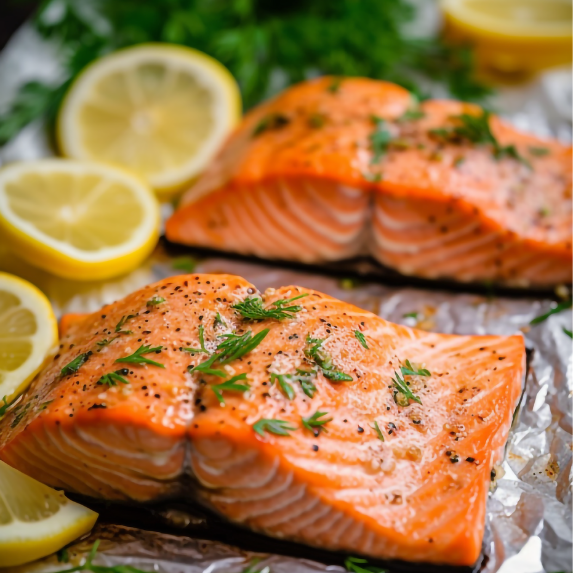
- Fatty fish
- Nuts and seeds
- Berries
- Vegetables
Variety and Microbiome Diversity
Greater dietary diversity is associated with a more diverse gut microbiome.
Aim for:
- 30+ different plant foods per week
- A variety of fruits, vegetables, wholegrains, legumes, nuts, and seeds
When to See a Dietitian
Gastrointestinal conditions such as IBS, food intolerances, reflux, or chronic diarrhoea require individualised care.
An Accredited Practising Dietitian can:
- Assess symptoms and triggers
- Provide evidence-based dietary strategies
- Ensure nutritional adequacy
- Develop a personalised plan
If you’re experiencing ongoing gut symptoms, seeking professional support can help you implement the right strategies with confidence.
Book a consultation or get in touch to receive personalised, evidence-based nutrition support.
Paris Mooney – Accredited Practising Dietitian, The Wholesome Effect PM, online & face to face on the NSW Central Coast. www.dietitiancentralcoast.com.au